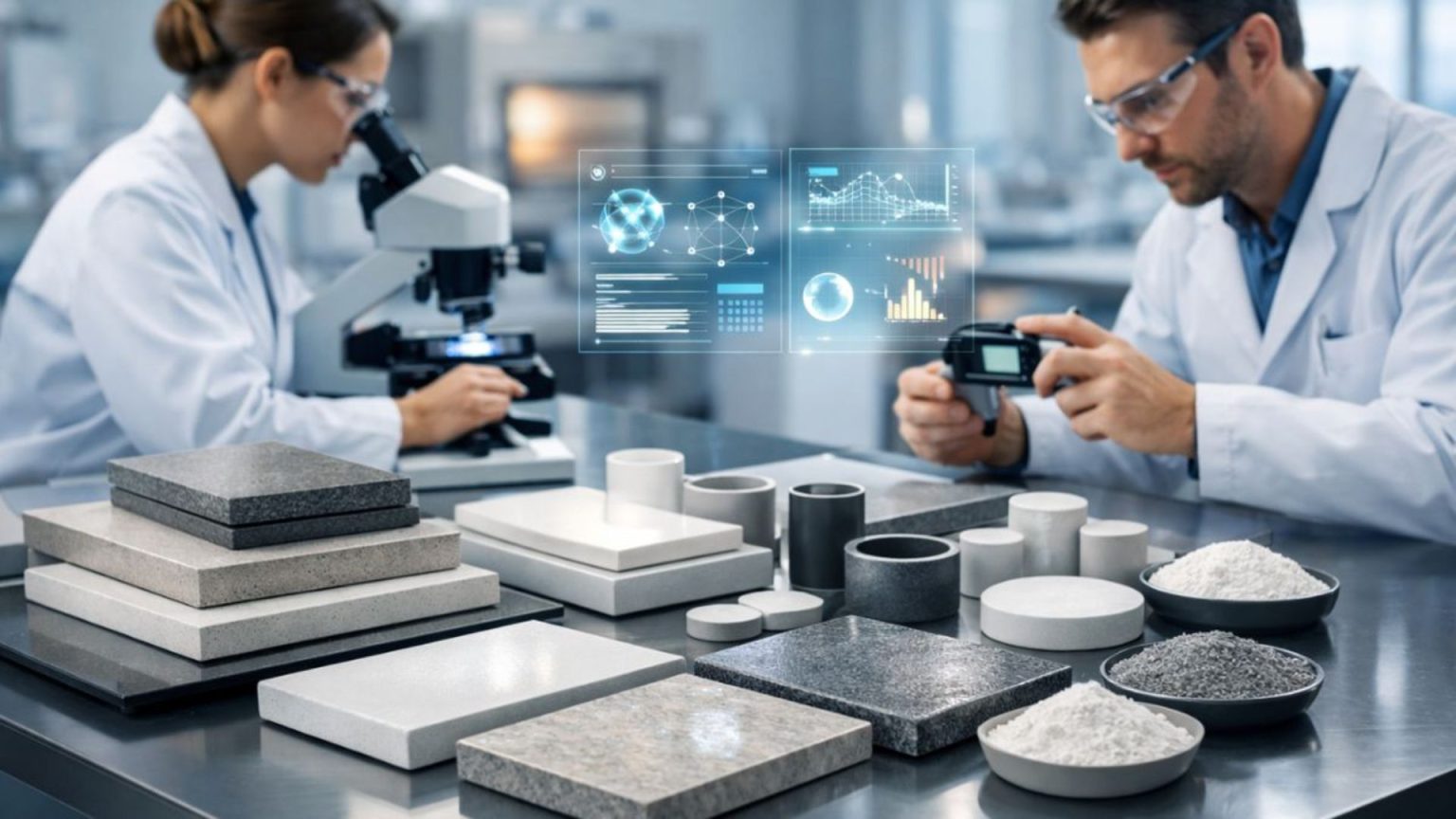
When people hear the word Sodiceram, they often ask, What exactly is it? Is it a brand, a building material, or a new type of surface product? The truth is that the term is increasingly used online to describe an advanced ceramic or tile-related material associated with durability, modern design, and industrial use. While it is not yet a globally standardized category, it is commonly linked with next-generation ceramic surfaces made for homes, businesses, and specialized environments.
In simple words, think of it like the smartphone version of traditional ceramic—built on an old foundation but upgraded for modern needs. Stronger, smarter, and more versatile.
This guide explains everything you need to know, from meaning and uses to benefits, maintenance, and future potential.
What Is Sodiceram?
Sodiceram is generally described as a modern ceramic-based material created to improve on traditional ceramic surfaces. It may include refined minerals, advanced firing methods, and performance-focused engineering to produce tiles or panels with better strength and lower water absorption.
Unlike old-fashioned ceramic that may chip or stain more easily, these modern surfaces are designed to handle everyday wear while maintaining visual appeal.
People often associate it with:
- Premium flooring
- Decorative wall panels
- Kitchen surfaces
- Bathroom tiles
- Commercial interiors
- Industrial-grade ceramic solutions
As interest in stylish yet durable materials grows, this name has started appearing more frequently in construction and design conversations.
Why Is Sodiceram Getting Popular?
There are many reasons why attention around this material is increasing.
1. Stronger Than Standard Options
Many modern ceramic products focus on density and resilience. That means better resistance to cracking, scratching, and long-term damage.
2. Stylish Designs
Today’s buyers want beauty and performance together. Why choose one when you can have both?
3. Low Maintenance
Busy households and businesses prefer surfaces that are easy to clean and hard to stain.
4. Moisture Resistance
Bathrooms, kitchens, and outdoor spaces need surfaces that do not absorb water easily.
5. Long Lifespan
A well-made ceramic solution can last for years, making it cost-effective over time.
Main Features of Sodiceram
What separates it from standard surfaces? Here are some commonly mentioned features.
Durability
These materials are usually designed to handle daily foot traffic, furniture pressure, and regular use.
Heat Resistance
Useful in kitchens, warm climates, or areas exposed to sunlight.
Water Protection
Low porosity means less chance of water damage or mold buildup.
Elegant Finishes
Matte, glossy, textured, wood-look, marble-look, and stone-inspired designs are often available.
Easy Cleaning
Most spills can be removed with a cloth, water, or mild cleaner.
Where Is Sodiceram Used?
One of the biggest strengths of this material is flexibility. It can fit into many settings.
Home Interiors
Homeowners often look for surfaces that are attractive but practical.
Common uses include:
- Living room floors
- Bedroom feature walls
- Bathroom surfaces
- Kitchen backsplashes
- Stair areas
- Balconies
A beautiful floor can transform a room instantly, just like a fresh haircut changes a person’s look.
Commercial Spaces
Businesses need materials that look professional while standing up to heavy use.
Popular locations include:
- Offices
- Hotels
- Restaurants
- Retail stores
- Shopping centers
- Showrooms
Commercial owners usually choose surfaces that stay attractive even after thousands of footsteps.
Outdoor Applications
Some modern ceramic materials are suitable for exterior environments.
Examples:
- Garden walkways
- Patio areas
- Outdoor walls
- Poolside zones
- Building facades
Weather-resistant surfaces are especially useful in areas with heat, rain, or dust.
How Does It Compare to Traditional Ceramic?
Many people ask whether it is truly better than regular ceramic. The answer depends on quality, price, and intended use.
| Feature | Traditional Ceramic | Sodiceram-Type Material |
| Strength | Moderate | Higher |
| Water Resistance | Good | Better |
| Design Variety | Good | Excellent |
| Maintenance | Easy | Very Easy |
| Cost | Lower | Moderate to Premium |
| Longevity | Good | Very Good |
Traditional ceramic still works well, but modern engineered surfaces often provide more performance.
Is Sodiceram Worth the Price?
That depends on your goals.
If you only need a basic wall tile for a low-budget project, standard ceramic may be enough.
But if you want:
- Better durability
- Premium appearance
- Lower maintenance
- Long-term value
- Modern finishes
Then paying more upfront may save money later.
It’s similar to buying a stronger suitcase—you spend more once, but it lasts through many trips.
How to Choose the Right Sodiceram Product
Not all ceramic products are the same. Before buying, consider these factors.
Room Type
Will it be used in a bathroom, kitchen, bedroom, or outdoors?
Traffic Level
Heavy foot traffic needs stronger flooring.
Slip Resistance
Very important for wet areas like bathrooms or pool zones.
Finish
Glossy looks elegant, while matte often hides dust better.
Tile Size
Large formats create a sleek modern appearance.
Budget
Balance style with performance.
Always request technical details if possible.
Installation Tips for Best Results
Even premium material can disappoint if installed poorly. Proper fitting matters.
Use Skilled Installers
Professional placement reduces uneven lines and future cracks.
Prepare the Base Surface
A level foundation prevents movement.
Use Quality Adhesives
Cheap adhesive can weaken results.
Allow Proper Curing Time
Do not rush the process.
Seal If Needed
Some finishes may benefit from sealing depending on product type.
Think of installation like building a house—strong bricks still need solid cement.
Cleaning and Maintenance Guide
The good news? These surfaces are usually easy to maintain.
Daily Care
- Sweep dust regularly
- Mop with warm water
- Use soft cloths
For Stains
- Mild detergent
- Non-abrasive sponge
- Quick cleaning after spills
Avoid
- Harsh acids
- Steel scrubbers
- Heavy impact from sharp objects
With simple care, the finish can stay attractive for years.
Is It Eco-Friendly?
Sustainability matters more than ever. Many modern ceramic products aim to reduce environmental impact through:
- Energy-efficient manufacturing
- Longer product lifespan
- Recyclable raw materials
- Low maintenance chemical use
- Reduced replacement frequency
A surface that lasts longer usually creates less waste over time.
The Future of Sodiceram
As homes become smarter and design expectations rise, materials must evolve too.
Future trends may include:
- Anti-bacterial surfaces
- Ultra-thin large panels
- Smart textures
- Sustainable manufacturing
- Custom digital printing
- Better outdoor performance
Consumers now expect materials to do more than just “look nice.” They want strength, style, safety, and value in one package.
That is where materials like this may continue growing.
Common Buying Mistakes to Avoid
Many people make avoidable errors when shopping.
Choosing Only by Price
Cheap products may cost more later through repairs or replacement.
Ignoring Slip Ratings
Especially risky in wet zones.
Wrong Color Choice
Very dark or glossy surfaces may show dust more easily.
Poor Installation
Even expensive tile can fail if installed badly.
Skipping Samples
Always see real samples before final purchase.
Conclusion
Sodiceram represents the growing demand for better ceramic solutions in today’s world. Whether viewed as a modern ceramic category, a premium surface concept, or an upgraded tile solution, it reflects what buyers now want: beauty with strength, elegance with practicality.
From homes and offices to outdoor spaces and commercial projects, these materials offer a balance of style, durability, and convenience. While exact products may vary, the idea behind the name remains clear—modern ceramic surfaces built for modern living.
If you are planning renovation or construction, exploring this type of material could be a smart move.
FAQs
1. What is Sodiceram used for?
It is commonly associated with flooring, wall tiles, kitchen surfaces, bathrooms, commercial interiors, and decorative spaces.
2. Is Sodiceram stronger than regular ceramic?
Many products described under this category are marketed as more durable, denser, and more resistant to wear than standard ceramic.
3. Is Sodiceram waterproof?
Most advanced ceramic surfaces offer low water absorption, making them suitable for wet areas such as bathrooms and kitchens.
4. Is Sodiceram expensive?
Prices vary. Basic options may be affordable, while premium designs and high-performance versions can cost more.
5. How long does Sodiceram last?
With proper installation and maintenance, quality ceramic surfaces can last for many years, often decades.